about-training-tools-square

About training tools. The right gear makes a difference.
Almost any job is easier when we have the
right tools. Training our dogs is no exception. From

enrichment toys
to
no-pull
harnesses
, tools help us communicate with our pets and
speed up the training process.

Read more

collars-square

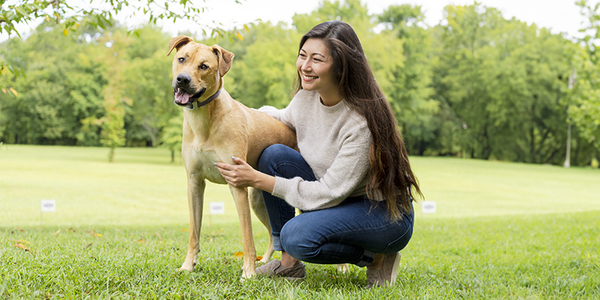
Collars. A style for every dog.
More than just a canine fashion statement,
collars are also training tools. They are designed for
different purposes so consider what you want to accomplish
when you select one for your dog. Some collars are worn
regularly to hold identification and license tags and others
are used for training lessons.

Read more

head-collars-and-body-harnesses-square

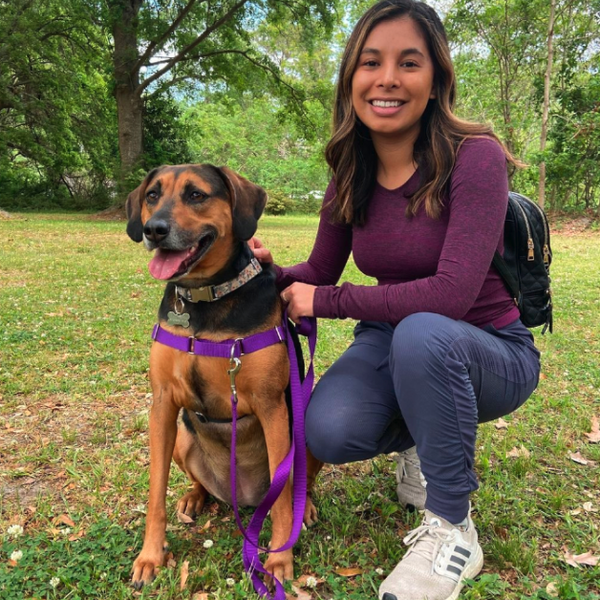
Head collars and body harnesses. Make life a walk in the park.
Walking with your dog can be a terrific way
to spend time together and increase her level of activity.
Head collars and some types of body harnesses help solve
problem behaviors such as pulling or jumping that make it
difficult to enjoy a walk with your four-legged friend.

Read more

Dog walking into a crate.

Crates. Give your dog a den of his own.
Have you noticed that dogs often prefer to
lie underneath tables, desks or beds? They have a natural
inclination to rest or “den up” in a confined
space. A dog crate capitalizes on this tendency. Crates
provide a quiet, contained den-like space for a pet. When a
puppy or adult dog is introduced to a crate correctly, he
will identify it as his safe place of choice. Crating will be
a positive and rewarding experience for him.

Read more

Dog sitting on woman's lap. A clicker is on the table.

Clickers. Recognize, mark and reward good behavior.
Clickers are small devices that make an
audible click sound. We use the sound to “mark” a
behavior that our dog is doing as it is happening. It lets
our dog know that we like the behavior and a reward is
coming.

Read more

remote-training-collars-square

Remote training collars. Communicating from a distance.
Wireless communication has become common in
our lives. We can communicate with our dogs in this
tech-savvy way as well. Our pets wear the receiver collar and
we manage the hand-held remote. When the button is pushed on
the remote, a signal is delivered to the collar that
communicates to our dog through sound, smell or touch.

Read more

barriers-and-deterrents-square

Barriers and deterrents. Establish boundaries for your dog.
Our homes, pets and lifestyle preferences
are entirely unique. Some people enjoy having their dogs
beside them on the couch or keeping them company in the
kitchen. Others prefer that pets stay off of the furniture or
out of certain rooms in the house. Whatever your lifestyle,
barriers and deterrents are useful training tools. They
establish boundaries for your dog so everyone can live
together peacefully.

Read more

Dog wearing a bark control collar sitting quietly next to woman relaxing on lawn chair.

Bark control devices. Reduce nuisance barking.
Dogs bark to communicate. There are times,
however, when a dog’s barking can become excessive and
cross over from communication to annoyance. Bark control
devices are training tools that can be used to correct and
reduce nuisance barking.

Read more

enrichment-toys-square

Enrichment toys. Engaging and challenging fun.
Toys that are stimulating, durable and
rewarding can enrich a dog’s life. They provide
entertainment, mental challenge and keep a dog active.
Playtime with toys can be used to reward good behavior when
we teach our dogs training commands. If boredom is causing a
behavior problem like digging, enrichment toys engage a dog
and give him something to do.

Read more


Next article